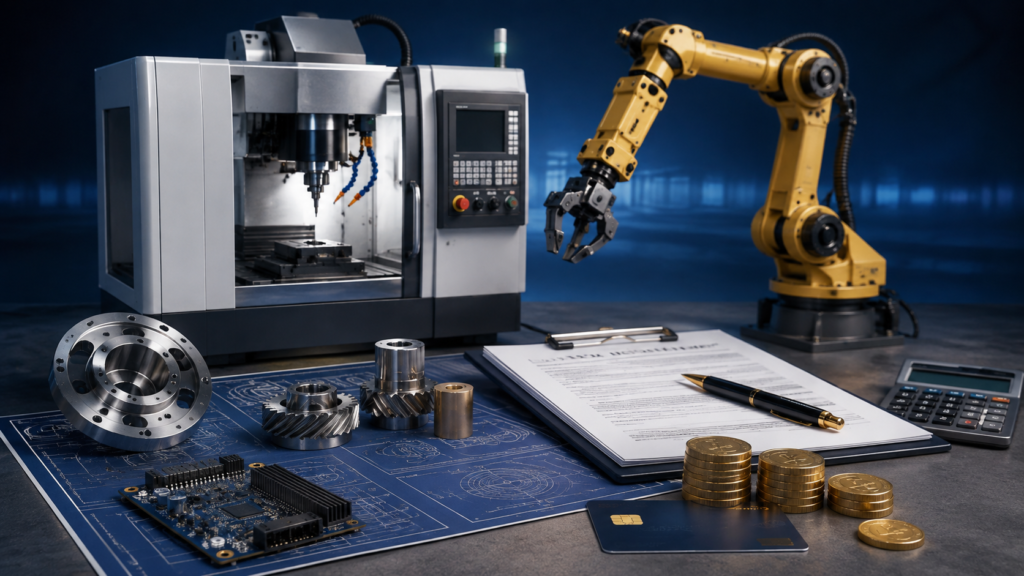
Hardware startups, manufacturing ventures, and industrial businesses face a financing challenge software startups don’t: significant upfront capital tied up in physical equipment before a single product ships. Equipment financing is often the most practical way to acquire that machinery without draining cash reserves or giving up equity. Here’s how it works.
What Is Equipment Financing?
Equipment financing is a loan or lease used specifically to purchase business equipment, where the equipment itself serves as collateral for the financing. This structure reduces the lender’s risk compared to an unsecured loan, which often makes it more accessible — even for startups without extensive credit history.
Equipment Loan vs. Equipment Lease
- Equipment loan: you borrow funds to purchase the equipment outright, own it from day one, and repay the loan over time. Best when you plan to use the equipment long-term and want to build equity in the asset.
- Equipment lease: you pay to use the equipment over a set period without owning it outright, often with an option to purchase at the end. Best for equipment that becomes outdated quickly, or when preserving cash flow matters more than ownership.
Why Equipment Financing Works Well for Startups
- Collateral is built in: the equipment itself secures the loan, which can make approval easier than for a general-purpose, unsecured startup loan.
- Preserves cash for other needs: rather than paying for equipment outright, financing spreads the cost over time, keeping more capital available for hiring, marketing, or R&D.
- Often faster than traditional bank underwriting, since many equipment finance companies specialize specifically in this type of secured lending.
- Available even without extensive credit history, particularly for newer startups, since the equipment’s resale value reduces the lender’s risk.
Typical Terms for Equipment Financing
| Factor | Typical Range |
|---|---|
| Loan/lease amount | 80%–100% of equipment cost |
| Term length | 2–7 years, often matched to the equipment’s useful life |
| Interest rate | 6%–20%, depending on credit profile and equipment type |
| Down payment | 0%–20%, varies by lender and startup’s credit strength |
What Lenders Look at for Equipment Financing
- The equipment’s resale value and useful life, since it directly affects the lender’s collateral position
- Business and personal credit history, though generally weighted less heavily than for unsecured financing
- Time in business, though many equipment finance companies work with startups that have limited operating history, given the built-in collateral
- A clear business case for how the equipment will generate revenue or reduce costs
Best Types of Equipment Financing Providers
Manufacturer/Vendor Financing
Many equipment manufacturers offer financing directly, sometimes with promotional rates, since it helps them sell more equipment — worth checking before going to an outside lender.
Equipment Finance Companies
Specialized lenders focused exclusively on equipment financing, often with faster approval and more flexible underwriting than a general-purpose bank loan.
SBA 504 Loans
Well suited for major equipment purchases alongside real estate, with generally lower rates than conventional equipment financing, though a slower approval process.
Online/Fintech Equipment Lenders
Faster, more streamlined applications, useful for startups that need equipment quickly but don’t yet qualify for traditional bank or SBA equipment financing.
Section 179 Tax Deduction: A Consideration for Financed Equipment
Under Section 179 of the U.S. tax code, businesses can often deduct the full purchase price of qualifying equipment in the year it’s placed in service — including equipment purchased through financing, not just cash purchases. This can meaningfully reduce the effective cost of financed equipment; consult a tax professional to confirm eligibility and current deduction limits for your specific situation.
Common Mistakes When Financing Startup Equipment
- Financing equipment before validating actual production or operational needs, risking overinvestment in the wrong specifications or capacity.
- Choosing a lease when long-term ownership would be more cost-effective, or vice versa, without carefully comparing total cost over the equipment’s expected useful life.
- Not accounting for maintenance and operating costs alongside the financing payment itself when budgeting.
- Overlooking manufacturer financing offers, which can sometimes beat outside lender rates, especially during promotional periods.
Frequently Asked Questions
Can a pre-revenue startup get equipment financing? It’s more difficult, but not impossible — since the equipment itself serves as collateral, some equipment finance companies and manufacturer financing programs are more flexible on revenue and credit history than general-purpose lenders.
Is it better to lease or buy startup equipment? It depends on how quickly the equipment becomes outdated and how important ownership is to your business model — leasing generally preserves more cash flow, while buying builds equity in an asset you’ll use long-term.
Does equipment financing affect my ability to raise venture capital later? Generally, no — equipment financing is a normal part of many startups’ capital structure and typically doesn’t significantly affect equity fundraising, unlike larger unsecured debt might.
Conclusion
For hardware, manufacturing, and industrial startups, equipment financing offers a practical way to acquire necessary machinery without draining cash reserves or giving up equity — and the built-in collateral often makes it more accessible than unsecured startup financing. Compare manufacturer financing, specialized equipment lenders, and SBA options before committing, and factor in potential Section 179 tax benefits when calculating the true cost. For a broader look at startup financing options, see our guide on [best financing options for tech startups].